- +251 90 287 8657
- info@fenotassociates.org
- Bole Sub-city, Woreda 03, Addis Ababa, Ethiopia


At Fenot Associates, we believe that data only becomes powerful when it is translated into actionable policy. We serve as the primary technical partner for the Ministry of Health’s evidence-to-policy architecture, coordinating the generation, synthesis, and translation of complex health research. Through our leadership in the Research Advisory Councils (RAC), we ensure that every major health decision in Ethiopia—from clinical mentorship models to maternal health protocols—is grounded in rigorous scientific analysis and multidisciplinary consensus.

We don't just study everything; we help the MoH maintain the
National RMNCAH Research Agenda, ensuring that limited resources
are focused on the most pressing system bottlenecks.
We bring together academia (EPHI, Universities) and practitioners
(Regional Health Bureaus) to debate findings. This ensures that a policy
is not just scientifically sound, but practically implementable.
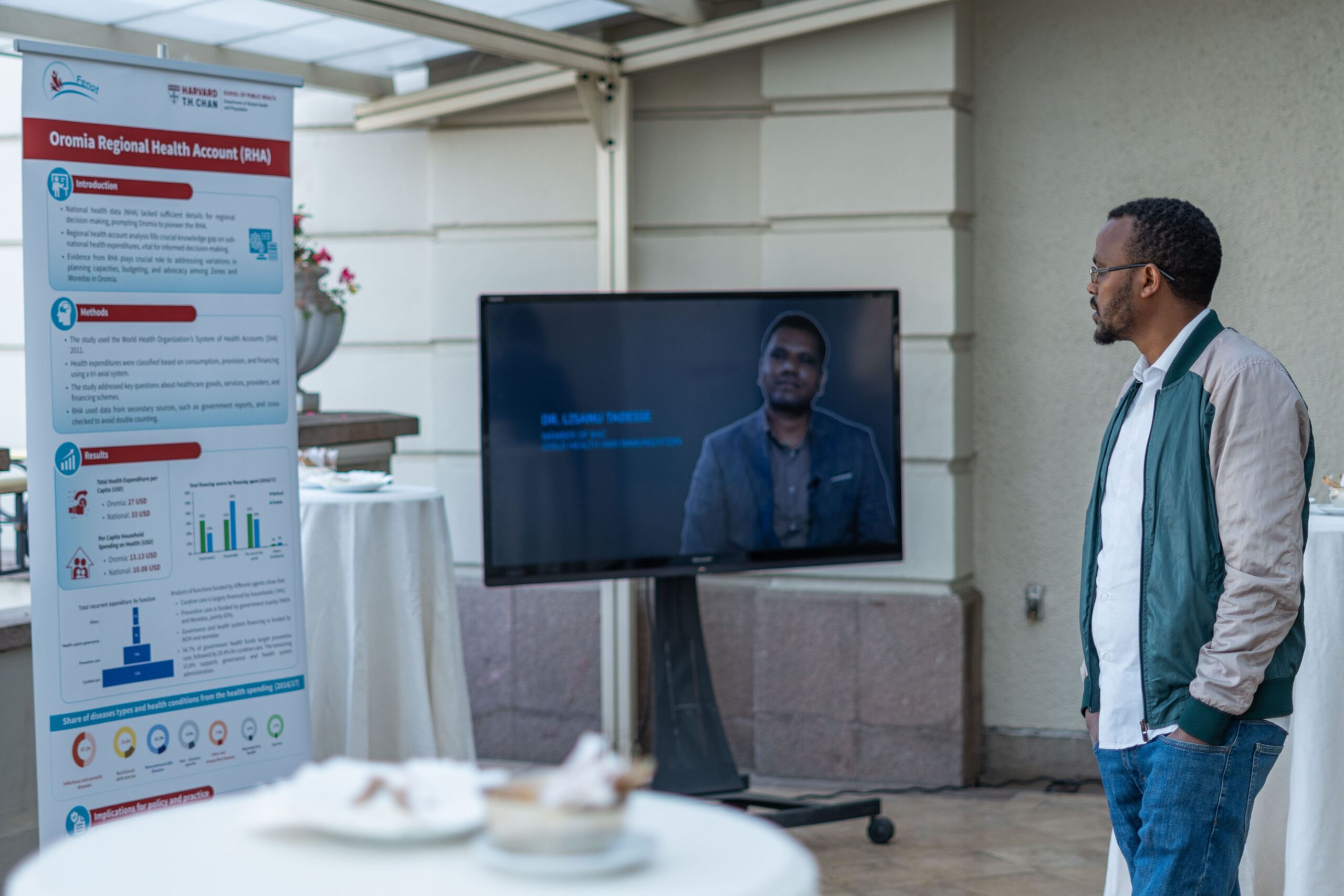
We don't just do the work; we train the MoH teams. As seen in our Oromia workshop, we train Scientific Panels in systematic coding and evidence interpretation, leaving behind a more capable government.
In 2024, the Oromia Health Bureau faced a challenge: a high-investment clinical mentorship program was underperforming, but the causes were unknown. Fenot led a comprehensive qualitative assessment, facilitating a Scientific Advisory Panel to interpret raw data from the field. Our analysis identified the exact bottlenecks in implementation fidelity. Today, our recommendations are being used to refine the mentorship model, directly improving the quality of care for mothers and newborns across the region.